Plastic lumber can provide a long-lasting alternative to traditional wood for residential projects where moisture, ground contact, insects, rot, or repeated maintenance create problems. It can be particularly useful for components that are difficult to replace, continuously exposed to the elements, or located where deterioration commonly begins.
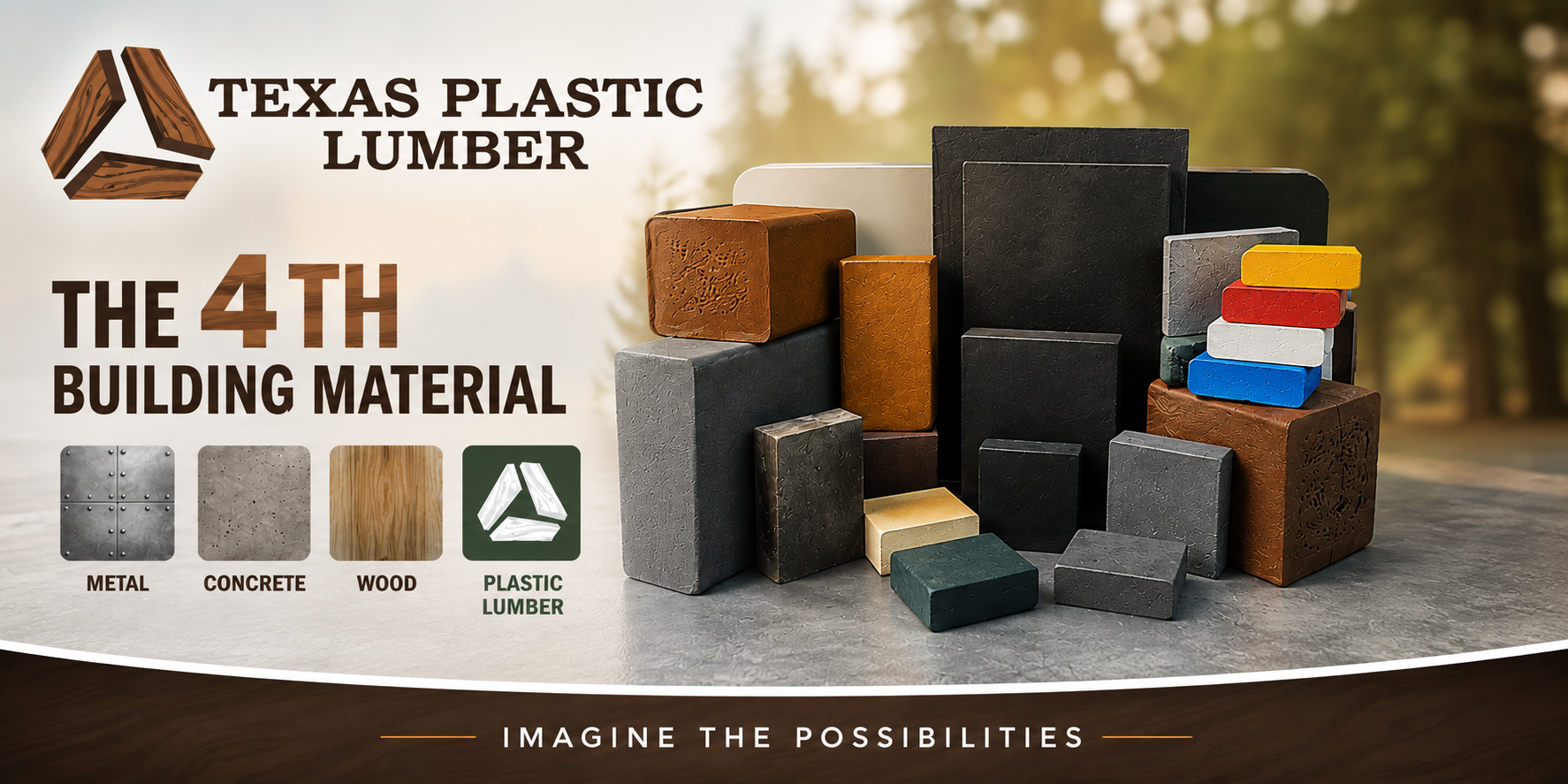
Texas Plastic Lumber provides structural and non-structural material in a variety of sizes, lengths, and colors. Because many products are manufactured or supplied specifically for the application, residential projects are best approached by first determining where plastic lumber provides enough long-term benefit to justify its use.
Good applications often start where wood keeps failing. Ground contact, persistent moisture, difficult access, insects, landscape exposure, and locations requiring repeated repair are all good reasons to evaluate plastic lumber.
For residential projects, it is helpful to know the approximate dimensions, quantities, intended use, color preference, and whether the material will carry a structural load. We'll help determine which options are appropriate and whether plastic lumber makes practical sense for the project.
Plastic lumber can be particularly useful around the home where wood is placed near or directly against soil, concrete, vegetation, or persistent moisture. These are often the locations where deterioration begins and where replacing a relatively inexpensive piece of wood can become an expensive repair.
Applications to consider: Shed and outbuilding skids • sill and base components • ground-contact framing • landscape structures • equipment and utility supports • outdoor storage structures • greenhouse components • blocking and spacers • bases for small structures • replacement of deteriorated wood components.
Questions to consider: Intended use • structural loads • ground conditions • moisture exposure • unsupported span • attachment and anchoring method • dimensions • color • structural or non-structural material.
Plastic lumber can provide a durable alternative for selected landscaping and outdoor applications where conventional wood is exposed to soil, irrigation, insects, vegetation, and weather. It can be especially useful for deck framing and support components, ground-contact applications, and locations where eliminating rot and reducing future maintenance are more important than minimizing the initial material cost.
Applications to consider: Deck framing • deck supports • joists and blocking • ground-contact framing • landscape edging • raised garden components • planter structures • garden borders • outdoor steps and supports • mailbox and sign posts • equipment pads • landscape timbers • greenhouse supports • replacement of deteriorated wood components.
Questions to consider: Intended use • structural loads • unsupported span • support spacing • ground contact • soil and moisture conditions • dimensions • fastening and connection method • thermal expansion • structural or non-structural material.
Plastic lumber can be particularly useful around residential waterfront and continuously damp environments where conventional wood is exposed to moisture, insects, repeated wet/dry cycles, and difficult maintenance. These applications often benefit from materials selected for long service life rather than frequent repair or replacement.
Applications to consider: Residential dock framing • pier supports and framing • dock decking • boat-house components • kayak and canoe launches • shoreline access structures • walkways • steps • equipment supports • blocking and spacers • replacement of deteriorated wood components.
Questions to consider: Freshwater or saltwater • structural loads • unsupported span • support spacing • above-water, splash-zone, or submerged exposure • fastening method • surface temperature • slip requirements • structural or non-structural material.
Plastic lumber can be useful for selected components around workshops, garages, outbuildings, and other property improvements where moisture, ground contact, insects, chemicals, or repeated use can shorten the life of conventional wood. Rather than replacing every piece of wood, it often makes sense to consider plastic lumber in the locations most likely to deteriorate or require future maintenance.
Applications to consider: Workshop framing components • garage and outbuilding supports • sill and base components • ground-contact framing • equipment bases and supports • workbench bases • utility supports • pump and HVAC equipment supports • storage-area components • blocking and spacers • protective barriers • replacement of deteriorated wood components.
Questions to consider: Intended use • structural loads • ground contact • moisture or chemical exposure • unsupported span • equipment weight • dimensions • fastening and anchoring method • structural or non-structural material.
Not every residential project fits neatly into a category. If you have a location where wood repeatedly rots, deteriorates, attracts insects, or requires more maintenance than you'd like, plastic lumber may be worth considering.
Start with the problem.
Tell us what you're trying to build or replace, where it will be used, approximate dimensions and quantities, and what isn't working with the material you're using today.
We'll help determine whether structural or non-structural plastic lumber makes sense for the application — and we'll tell you when it doesn't.